
In today’s fast-paced digital world, staying ahead in marketing means embracing smart strategies and the latest technology.
From SEO to social media, the digital landscape is evolving—discover how your business can grow with the right online approach.
Whether you’re a startup or a growing brand, effective digital marketing can be your most powerful tool for reaching the right audience.
Want to turn clicks into customers? Learn the secrets behind high-performing digital campaigns in this blog.
Your online presence matters more than ever—here’s how to make every digital move count.


Artificial Intelligence (AI) is transforming the landscape of digital marketing by making campaigns smarter, faster, and more personalized. With the help of AI, businesses can now analyze large amounts of customer data, predict user behavior, and automate repetitive tasks. Tools like chatbots, recommendation engines, and AI-powered content creation are enhancing customer experiences and improving ROI.
From real-time customer support to hyper-targeted ads, AI is helping marketers connect with the right audience at the right time. As AI continues to evolve, it is becoming an essential part of every successful digital marketing strategy.
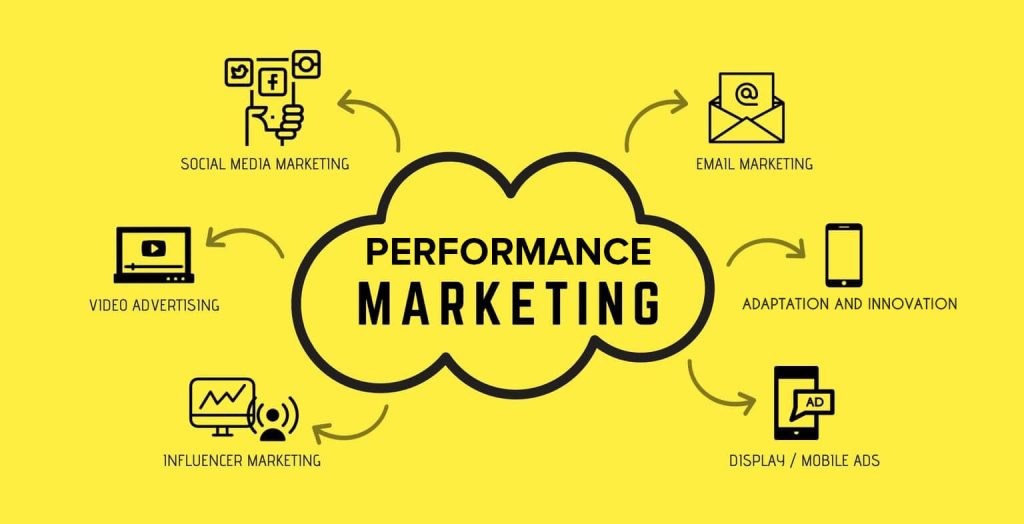
Performance-Based Marketing is a digital strategy where advertisers only pay for specific actions, such as clicks, leads, or sales, rather than general exposure. This results-driven model ensures that marketing budgets are spent efficiently, with a clear return on investment (ROI). Common channels include affiliate marketing, pay-per-click (PPC) advertising, and influencer partnerships tied to measurable results.
It is highly effective because it aligns the goals of marketers and advertisers — success is only rewarded when the desired outcome is achieved, making it a cost-effective and accountable approach to digital marketing.
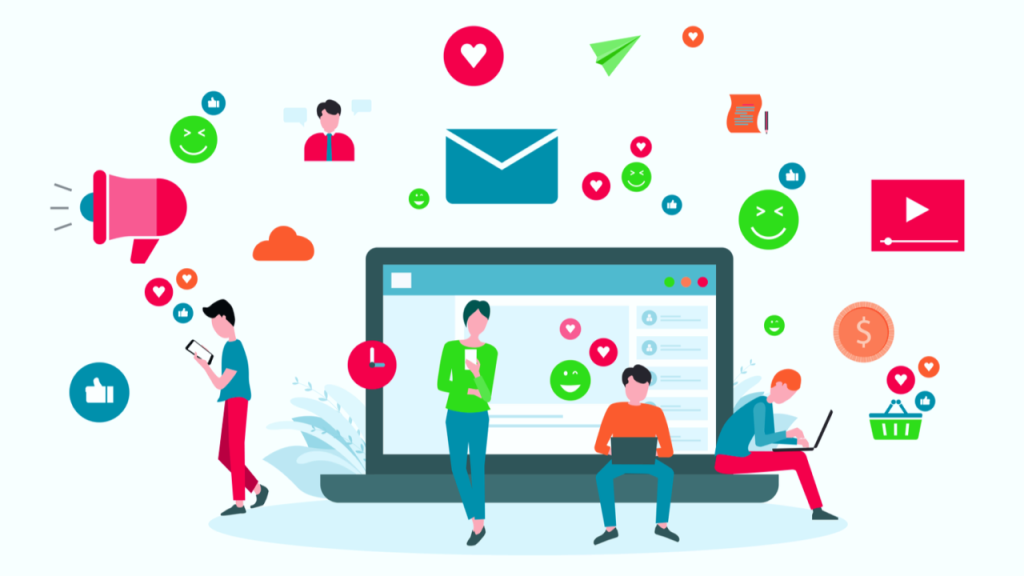
Short-form videos like Instagram Reels, TikTok, and YouTube Shorts are leading the way in capturing audience attention quickly and effectively.
AI-powered tools are helping marketers create content, schedule posts, and analyze performance more efficiently than ever before.
Micro and nano-influencers are becoming more popular due to their authentic engagement and trusted connections with niche audiences.
Social commerce is on the rise, allowing users to shop directly through platforms like Instagram and TikTok without leaving the app.
Authentic and relatable content, including behind-the-scenes and user-generated posts, is resonating more with audiences than polished ads.
Brands are focusing on community building through groups and niche platforms to strengthen customer relationships and boost loyalty.
SEO (Search Engine Optimization) is the process of improving a website’s visibility on search engines like Google. The goal is to rank higher in search results when users search for relevant keywords, which drives more organic (non-paid) traffic to your website.
How SEO Works:
Keyword Research – Identify the words and phrases your target audience is searching for.
On-Page Optimization – Improve website content, titles, meta descriptions, headings, and URL structure to match those keywords.
Technical SEO – Ensure your website loads fast, is mobile-friendly, secure (HTTPS), and easy for search engines to crawl and index.
Content Creation – Publish high-quality, valuable content that answers users’ questions and keeps them engaged.
Backlink Building – Earn links from other reputable websites, which signals authority and trust to search engines.
Continuous Monitoring – Use tools like Google Analytics and Search Console to track performance and update strategies accordingly.

Use Relevant Hashtags
Choose hashtags that are closely related to your content, industry, or target audience to increase discoverability.
Mix Popular and Niche Hashtags
Combine trending hashtags (#MarketingTips) with specific ones (#DigitalMarketingAgencyIndia) to reach both broad and targeted audiences.
Avoid Overloading
Use 5–10 focused hashtags per post (especially on Instagram); too many can look spammy and reduce engagement.
Create Branded Hashtags
Make unique hashtags for your business or campaigns (e.g., #GrowWithXYZ) to build brand identity and encourage user-generated content.
Research Before Using
Look at how a hashtag is being used before adding it—some may carry different meanings or be irrelevant to your audience.
Keep It Clean and Simple
Use easy-to-read and short hashtags without special characters or confusing words.
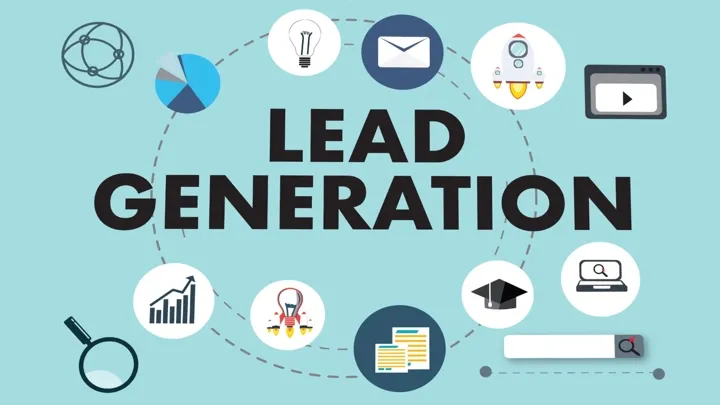
Target the Right Audience
Clearly define your ideal customer through detailed buyer personas to focus your marketing on people most likely to convert.
Create Valuable Content
Offer blogs, eBooks, webinars, or videos that educate or solve problems—content that builds trust and attracts genuinely interested users.
Use Landing Pages with Strong CTAs
Direct traffic to optimized landing pages with compelling calls-to-action (CTAs) that clearly state the benefit of taking the next step.
Leverage Paid Ads with Smart Targeting
Run Google Ads or social media campaigns targeting specific demographics, behaviors, and interests to attract qualified leads.
Offer Lead Magnets
Provide free resources like guides, checklists, or trial offers in exchange for contact details to capture high-intent users.
Use Email Marketing and Retargeting
Nurture leads through email sequences and retarget ads to users who visited your site but didn’t convert, keeping your brand top of mind.
Optimize Your Website for Conversions
Ensure your website is user-friendly, mobile-optimized, and includes forms, live chat, or chatbots to engage visitors in real time.